
What players say
Bounce and Tumble Arena delivers a fun, casual experience centered on timing and physics. The short match length makes it perfect for quick sessions, while the unpredictable outcomes ensure no two games feel the same. Its colorful visuals and family-friendly design make it accessible to players of all ages. The simple controls allow anyone to jump in, but mastering the timing offers a satisfying challenge.
About this game
Core Mechanics
Bounce and Tumble Arena centers on a simple yet engaging premise: players control a character that must jump, flip, and land on opponents to score points. The physics engine introduces randomness, so every jump and landing feels unique. Timing is everything—too early or too late, and the character may miss the target or stumble. This creates a dynamic where quick thinking and adaptability matter more than memorizing patterns. The controls are designed for simplicity, using on-screen buttons or mouse clicks, making the game accessible on various devices.
Visual Style and Atmosphere
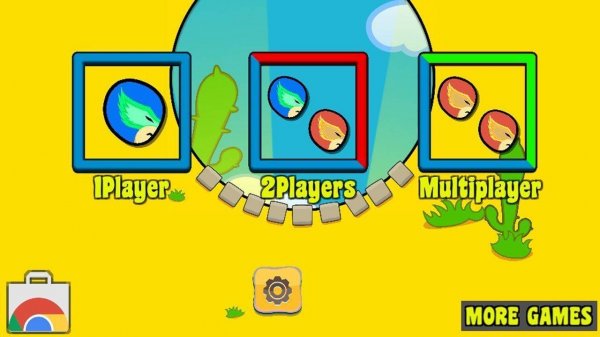
The game features colorful, cartoon-like visuals that contribute to a cheerful and non-threatening environment. Characters are designed with exaggerated proportions and expressive animations, which add humor to both successful moves and failed attempts. The backgrounds are bright and uncluttered, keeping the focus on the action. Sound effects and music are upbeat but not distracting, enhancing the playful tone. This visual approach ensures the game remains inviting for younger players while still appealing to adults seeking a casual break.
Match Structure and Flow
Matches in Bounce and Tumble Arena are brief, typically lasting one to two minutes. This short format makes the game ideal for quick sessions during breaks or as a warm-up before more involved activities. The quick pace encourages repeated attempts, as each match offers a fresh set of physics-driven outcomes. Players face off in one-on-one encounters, with the winner determined by who lands more successful jumps. The rapid turnaround between rounds keeps engagement high without requiring a long time commitment.
Skill Development and Strategy
While the controls are easy to learn, mastering the game requires practice. Players must develop a sense of timing and spatial awareness to predict opponent movements. Observing patterns in an opponent’s behavior can provide an edge, as can experimenting with different jump heights and flip angles. The physics system means that no single strategy works every time, so flexibility is key. Over time, players can refine their approach, learning to adjust on the fly and capitalize on opponent mistakes. This blend of simplicity and depth gives the game lasting appeal.








Player comments
Sign in to comment
You must be logged in before posting a review or rating.
No account? Create one
No comments yet. Be the first to comment!