
What players say
Kitchen Commander turns restaurant management into a fast-paced puzzle of efficiency and coordination. The gradual introduction of new recipes and challenges keeps the gameplay fresh without becoming overwhelming. Cooperative play is where the game truly excels, as dividing tasks among friends creates a dynamic that feels both chaotic and rewarding. The bright visuals and clear interface make it easy to jump in, while the star rating system provides motivation to refine your approach. It is a solid choice for anyone who enjoys strategy games with a culinary theme.
About this game
Kitchen Workflow Mastery
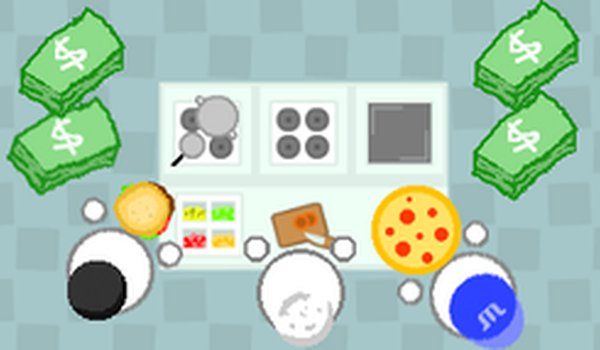
In Kitchen Commander, players step into the role of a restaurant manager responsible for the entire dining process. The core challenge revolves around handling incoming orders from patrons seated at various tables. Each order requires a sequence of actions: reading the ticket, gathering the correct ingredients from storage, using the appropriate cooking stations such as grills or stovetops, and finally plating the finished meal. The game simulates the pressure of a real kitchen where multiple orders arrive simultaneously, each with its own preparation time and complexity. Players must prioritize tasks based on order arrival and dish difficulty to avoid delays. Success depends on developing a mental map of the kitchen layout to minimize unnecessary movement between stations. This section of the game teaches the fundamental loop of observation, action, and delivery that forms the backbone of the entire experience.
Team Coordination Dynamics
While single-player mode offers a solid challenge, the cooperative aspect of Kitchen Commander adds a layer of strategic depth. When playing with friends, each person can take on a specific role, such as a chef focused on cooking or a server handling customer interactions. Effective communication becomes essential, as players need to call out completed orders, request ingredient refills, or signal when a station is free. The game encourages dividing the kitchen into zones to prevent collisions and overlapping work. For example, one player might manage the appetizer station while another handles main courses. This division of labor mirrors real restaurant teamwork and teaches players how coordination can dramatically improve overall efficiency. The cooperative mode transforms the game from a solo puzzle into a shared challenge where success hinges on clear roles and mutual support.
Progression and Challenge Curve
Kitchen Commander introduces new elements gradually to keep the experience engaging without overwhelming newcomers. Early levels focus on simple orders with few ingredients and forgiving time limits. As players advance, the pace increases, and the variety of dishes expands to include more complex recipes that require multiple cooking steps. Later stages might introduce special events like a sudden rush of large parties or limited-time menu items that require quick adaptation. The game tracks performance through a star rating system that rewards speed, accuracy, and customer satisfaction. Achieving top ratings often requires replaying levels to refine strategies and improve personal best times. This progression system provides a clear sense of accomplishment and motivates players to master each aspect of kitchen management before moving on to tougher scenarios.
Visual Style and User Interface
The game presents a bright, cartoon-inspired visual style that makes the kitchen environment easy to read at a glance. Each station is color-coded and clearly labeled, helping players quickly identify where to go next. Character sprites are simple but expressive, with animations that convey urgency when orders are piling up. The user interface prioritizes clarity, with order tickets appearing at the top of the screen and timers displayed prominently. Sound effects provide auditory cues for key events, such as a bell ringing when a dish is ready or a warning chime when a customer is becoming impatient. The overall design aims to reduce cognitive load so players can focus on strategic decision-making rather than deciphering complex menus. This thoughtful presentation supports the fast-paced gameplay by making information accessible and actions intuitive.
Strategic Tips for New Managers
New players can improve their performance by focusing on a few key habits. First, learn the kitchen layout by spending a few moments exploring each station before starting a shift. Knowing where ingredients and cooking tools are located saves precious seconds. Second, always prepare multiple dishes at once when possible, as waiting for one order to finish before starting the next wastes time. Third, keep an eye on customer patience meters and prioritize tables that are close to leaving. In cooperative games, assign a dedicated person to handle drink orders and side dishes, as these small tasks can accumulate and slow down the main cooking flow. Finally, practice staying calm during busy periods; rushing often leads to mistakes like burning food or serving the wrong dish. With patience and repetition, players can develop the rhythm needed to run a smooth kitchen.

Player comments
Sign in to comment
You must be logged in before posting a review or rating.
No account? Create one
No comments yet. Be the first to comment!